
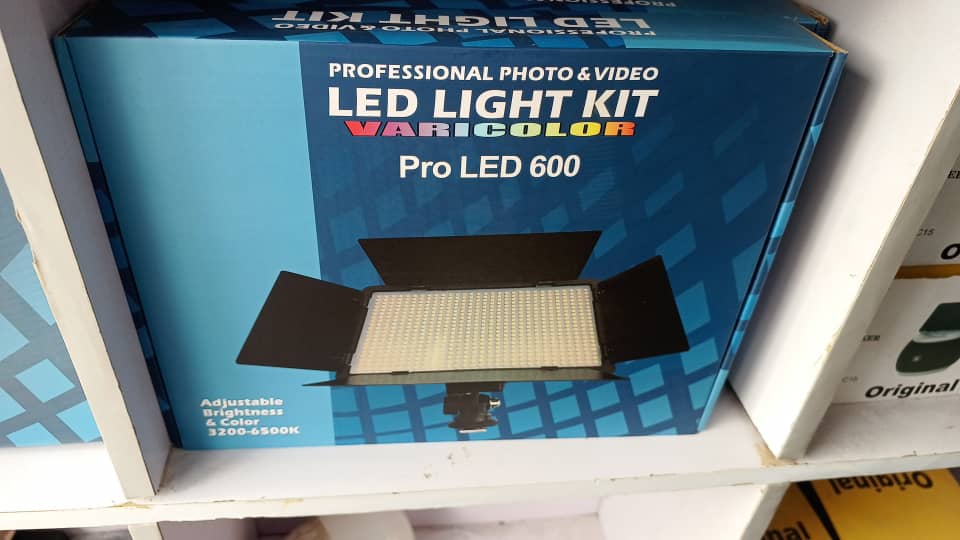
A “600 LED light” typically refers to a lighting setup that features 600 individual LED lights. The description can vary depending on the context, such as the type of LED used, the purpose of the setup, and the specific application. Here are some common details:
Type of LED:
Standard LED: These might be simple bulbs or fixtures used for general lighting purposes, such as in commercial, residential, or theatrical applications.
RGB LEDs: These LED lights can change colors, offering more flexibility in creating dynamic lighting effects for events or entertainment.
High-Output LEDs: These LEDs are often brighter and used for large-scale installations, outdoor lighting, or in situations where high illumination is required.
Power Consumption:
LEDs are known for being energy-efficient. The power consumption of 600 LEDs would depend on their wattage. For example, if each LED consumes 0.1 watts, the total power consumption would be 60 watts (600 x 0.1). However, high-powered LEDs may consume more, especially in large installations.
Applications:
Events and Performances: A setup of 600 LEDs might be used for stage lighting, concerts, or theatrical performances, where bright, colorful lighting effects are important.
Architectural Lighting: It could be used in large buildings, for facade illumination, or to highlight specific architectural features.
Decorative or Holiday Lighting: 600 LEDs are often used in decorative string lights or large light installations during holidays or festive occasions.
Cameras and Photography: In some cases, LED lights are used for lighting in professional photo shoots or video productions.
Control and Integration:
Many large-scale LED setups are integrated into lighting control systems, allowing operators to adjust the brightness, color, and patterns. These systems can use software to program specific lighting sequences or effects.
In RGB setups, you may have the ability to mix colors, create chases, fades, or synchronize the lights to music.
Durability and Lifespan:
LEDs are long-lasting, with many lasting up to 25,000 hours or more, which makes them cost-effective in the long term.


Reviews
There are no reviews yet.